




Contents
In Persian practice the term “fleshy nose” (gooshti) describes a nose with thicker skin and more soft tissue, often combined with a rounded or bulbous tip and a wider base. Operating on such a nose is different from operating on a thin-skinned nose, and understanding this helps you set realistic expectations.
What is typical for a fleshy nose?
- thicker, often oilier skin
- a rounded, less defined tip
- a wide or low bridge and sometimes wider nostrils
- less visible bony structure under the skin
What can surgery achieve?
The goals are usually to refine the tip, improve definition and harmonise the nose with the face. In thick skin, the structure beneath the skin has to be strengthened and shaped carefully, because the skin must follow the new framework. Cartilage grafts are often used to give the tip support and form. Results tend to be more moderate than in thin-skinned noses, and an extremely small or sharply defined nose is usually not realistic.
Planning the operation
The surgeon examines skin thickness, tip shape, cartilage strength, nasal breathing and how the nose relates to the chin and forehead. Photos, measurements and a discussion of your wishes help to define the plan. Open or closed technique is chosen according to the findings.
Recovery with thick skin
Thick skin swells more and swelling goes down more slowly. It is common that the tip stays swollen for many months, and the definition appears gradually over up to a year or more. Following aftercare instructions, protecting the nose and attending the control visits are especially important.
Risks
General risks of nose surgery apply: bleeding, infection, asymmetry, breathing problems, numbness and the possibility of a revision. In thick skin, prolonged tip swelling and scar tissue are more frequent topics at follow-up.
Frequently asked questions
Will my nose become very thin? Surgery can improve shape and definition, but skin thickness limits how much the outer shape can change.
Is the operation different from other rhinoplasties? The principles are the same, but planning and cartilage work are more demanding and the recovery is longer.
How long until the final result? Often 12 months or longer.
Consultation
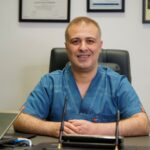
Dr. Seyed Mohammad Talebzadeh evaluates your nose at a free consultation at Pars Specialty Hospital in Rasht. Results differ from person to person and cannot be guaranteed.